
1. Company registration
Most investors first register a Thai limited company with the Department of Business Development (DBD). The company then holds the lease, the licences and the bank account.
2. Foreign ownership rules
Under the Foreign Business Act, a Thai company with 50% or more foreign shareholding is treated as foreign. Foreign companies need a Foreign Business Licence for restricted activities, unless an exemption applies.
- Many manufacturing activities are not restricted, but related services and trading can be
- BOI promotion is the most common route to majority or full foreign ownership for promoted activities
- Check your exact activity before choosing a shareholding structure
3. BOI investment promotion
The Board of Investment (BOI) promotes target industries such as manufacturing, electronics, EV parts and logistics. A BOI certificate can give:
- Corporate income tax exemption for a set number of years, depending on the activity
- Import duty exemption on machinery and, in some cases, raw materials
- Permission for majority or full foreign ownership
- Easier work permits and visas for foreign staff
BOI is optional. It is worth applying when the tax savings and ownership rights justify the paperwork.
4. Factory licence (Ror Ngor 4)
The Factory Act sorts factories into three categories, based mainly on machinery power and number of workers:
- Category 1: small operations that can start without a licence
- Category 2: must notify the authorities before starting
- Category 3: must obtain a factory operation licence, called Ror Ngor 4, before operating
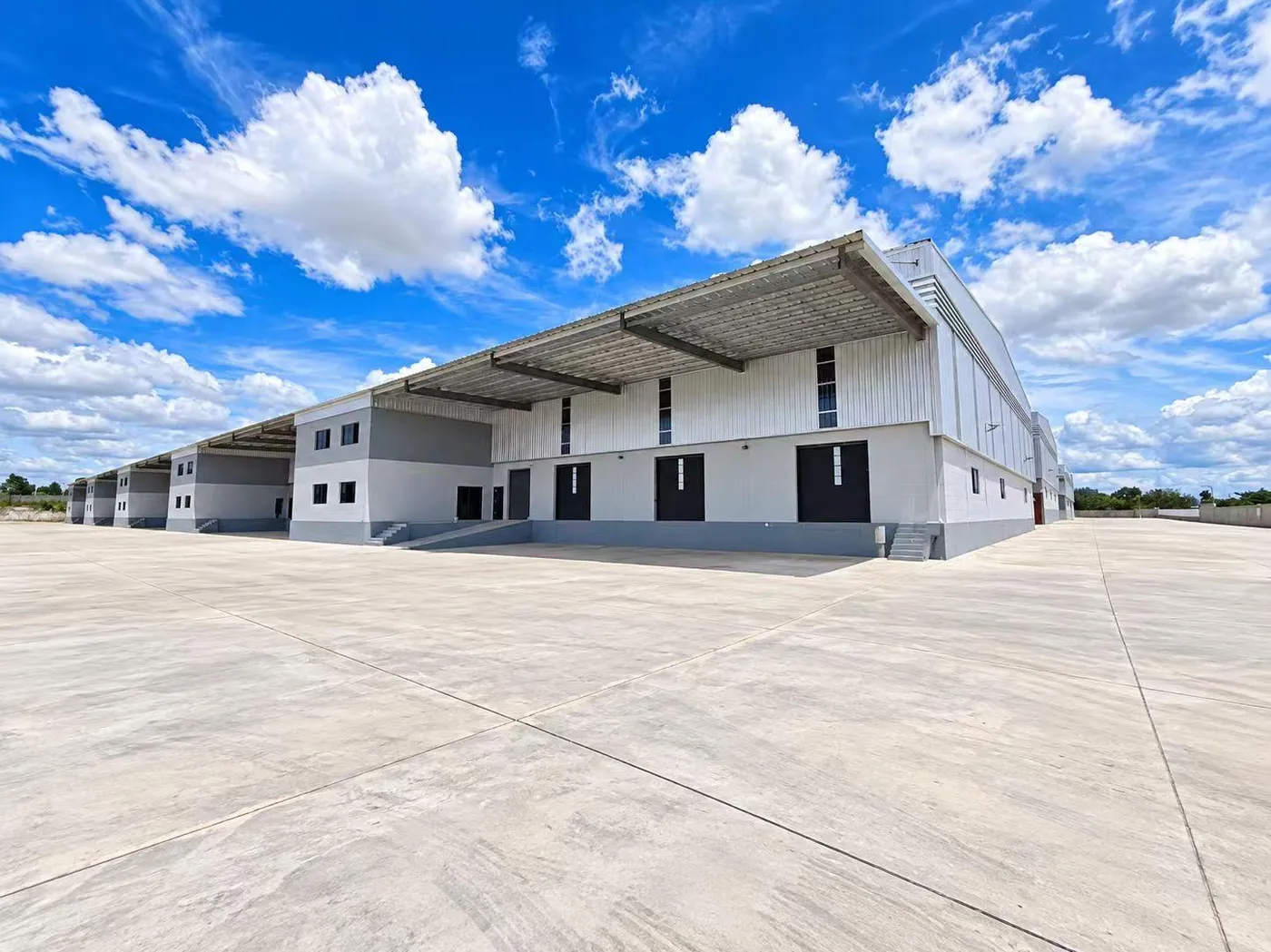
Outside Bangkok, applications go through the provincial industry office. Most mid-sized and large manufacturing projects fall into Category 3. The application needs a factory layout, machinery list and process description.
5. Environmental assessment
Some industries with higher environmental impact need an Environmental Impact Assessment (EIA) or a similar environmental report before the factory licence is granted. Whether you need one depends on the type and size of your production.
6. Work permits and visas
Foreign staff need a Non-B visa and a work permit. For companies without BOI promotion, the usual rules are:
- 2 million baht of paid-up capital for each foreign work permit
- At least four Thai employees for each foreign employee
- BOI-promoted companies are outside these ratios
7. VAT registration
A company must register for VAT once annual sales exceed 1.8 million baht, within 30 days of reaching the threshold. Many companies register earlier, for example before hiring foreign staff.
8. Free Zone user approval
To operate inside a Customs Free Zone such as JHT Free Zone, the company also applies to Thai Customs to become a Free Zone user, with approval from the zone operator. This gives the duty and VAT benefits on goods kept and processed in the zone.
9. Product licences
Some products need their own approval before they can be made or sold, for example:
- Food, drugs, cosmetics and medical devices: Thai FDA
- Products under compulsory standards: TISI certification
- Controlled chemicals and hazardous substances: permits from the relevant department
How we help
JHT Free Zone tenants can hand most of this work to our team:
- Company registration and shareholding advice
- BOI and Free Zone user applications
- Factory licence documents and coordination
- Work permits, visas, VAT registration and tax filing
We plan the approvals so they run in parallel with your fit-out, not one after another.
Frequently asked questions
Can a foreign company own 100% of a factory company in Thailand?
Often yes. Many manufacturing activities are open to foreign ownership, and BOI promotion can allow full foreign ownership for promoted activities. Check your exact activity first.
Do I need a factory licence for a small workshop?
Not always. The Factory Act sets three categories based on machinery power and number of workers. Only Category 3 factories need the Ror Ngor 4 licence before operating.
Is BOI compulsory?
No. BOI is optional. It is useful when you want tax exemptions, duty-free machinery or majority foreign ownership.
How many foreign staff can I bring?
Without BOI, the usual rule is 2 million baht of paid-up capital and four Thai employees for each foreign work permit. BOI-promoted companies are outside this ratio.
What extra approval do I need inside JHT Free Zone?
Approval from Thai Customs as a Free Zone user, with consent from JHT Free Zone. We prepare this application with you.
This guide is general information based on public sources in November 2026, not legal advice. Rules change, so confirm the requirements for your project with us or a licensed adviser.