
Step 1. Get approved as a Free Zone user
Before moving goods, your company applies to Thai Customs to become a Free Zone user, with approval from the zone operator. Customs reviews your company documents, business plan, site plan and financial statements, and you sign a bond and security contract.
Step 2. Bring goods into the zone
Each movement into the zone is declared to Customs:
- Goods from abroad: an import declaration with the Free Zone privilege stated, so no duty or VAT is collected
- Goods transferred from another tax privilege, such as another free zone, a bonded warehouse, BOI or Section 29: a transfer declaration that keeps the privilege
- Goods bought in Thailand: VAT is calculated at a zero rate when they move into the zone
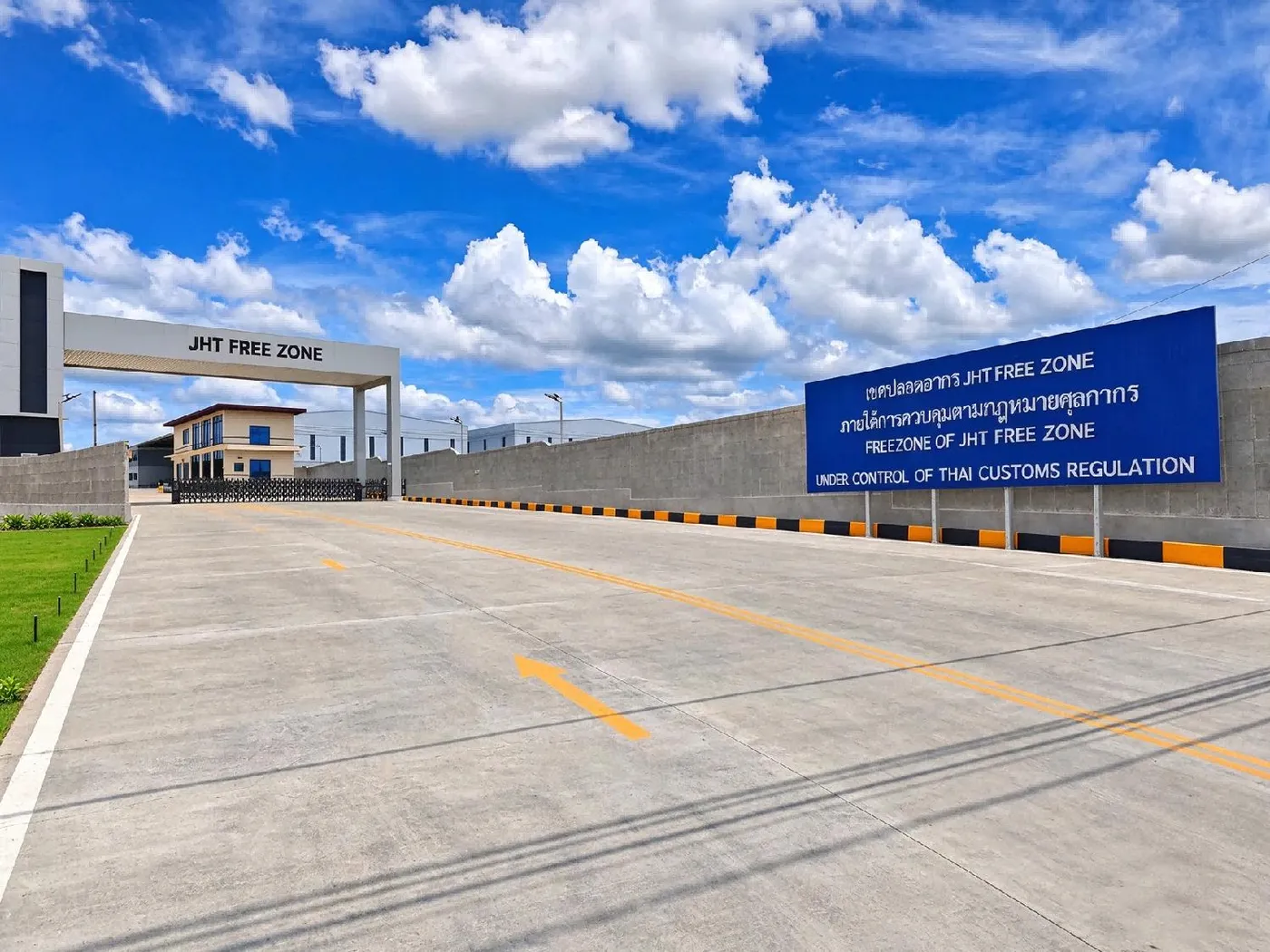
From Laem Chabang Port, containers reach JHT Free Zone by road in about 25 km, and the customs office sits at the park entrance.
Step 3. Store and process inside the zone
Inside the zone you can store, assemble, manufacture, pack and label goods.
- Goods can normally stay for two years without paying duty, and the period can be extended under Customs rules
- Scrap, waste and yield loss from imported materials are not taxed
- Goods processed for re-export are exempt from Thai product standard and quality control requirements
- You keep a traceable stock and accounting system, and Customs checks movements in and out
Step 4. Move goods out of the zone
Goods can leave the zone in four ways:
- Export abroad: an export declaration, with no Thai import duty
- Transfer to another free zone: a transfer declaration, privileges continue
- Transfer to a bonded warehouse, BOI company or Section 29 user: a transfer declaration under that scheme
- Sale to the Thai market: an import declaration, paying import duty and VAT at that point
Selling into Thailand from the zone
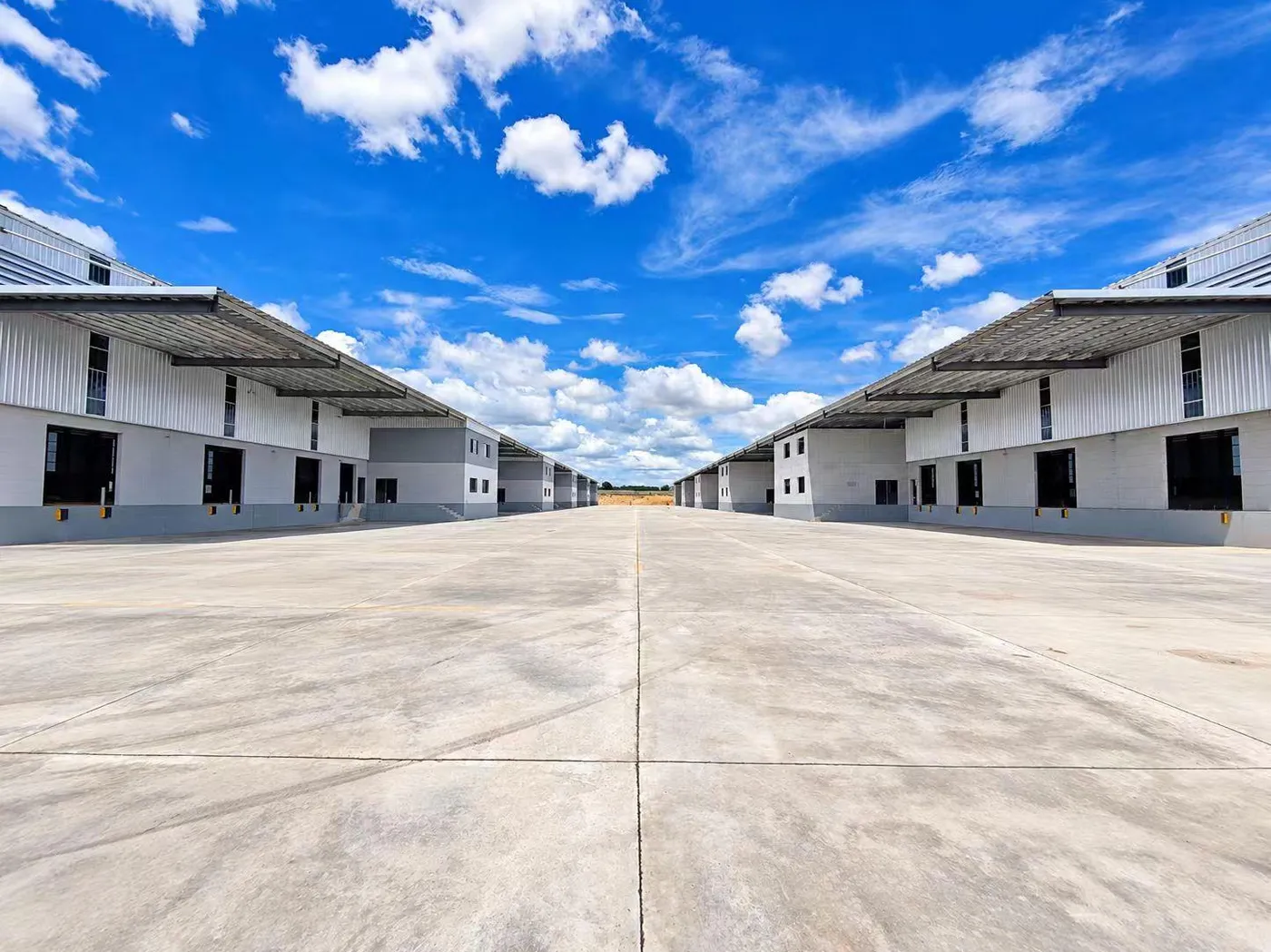
When goods made in the zone are sold in Thailand, duty is assessed when they leave the zone. Goods that meet local content rules can qualify for a duty exemption. In 2026 Thai Customs announced plans to tighten these local content rules, so check the current rule before planning domestic sales.
Who benefits most
- Manufacturers that import parts and export finished products
- Regional distribution centres that hold stock in Thailand for several markets
- Cross-border e-commerce sellers storing goods close to the port
- Exporters that want to avoid paying duty first and claiming it back later
Frequently asked questions
Do I pay import duty when goods arrive in the free zone?
No. Goods declared into the zone under the Free Zone privilege pay no import duty or VAT. Duties are due only when goods leave the zone for the Thai market.
How long can goods stay in the zone?
Normally two years from the first day of storage without paying duty. The period can be extended under Customs rules.
Can I sell products made in the zone inside Thailand?
Yes. You file an import declaration and pay duty and VAT when the goods leave the zone. Local content rules can reduce the duty, and these rules are under review in 2026.
What records do I need to keep?
A stock and accounting system that traces every movement in and out of the zone. Customs can inspect it and requires regular reporting.
Who handles the declarations?
Your company or a licensed customs broker. JHT Free Zone can arrange customs clearance for tenants.
This guide is general information based on Thai Customs guidance and public sources in November 2026, not legal advice. Customs rules change, so confirm the procedure for your goods with us or a licensed customs broker.